Frequent flyers share a quiet problem. Bed bugs hitch rides in seams, zippers, and folded cuffs, then set up shop in the next hotel or the guest room back home. If you fly twice a month or more, your risk is real. The good news, borne out by years of fieldwork, is that a simple, disciplined travel routine cuts that risk to near zero. The trick is to build a small kit you will actually use, and then treat the routine like brushing your teeth, not like a special project.
What bed bugs do on the road
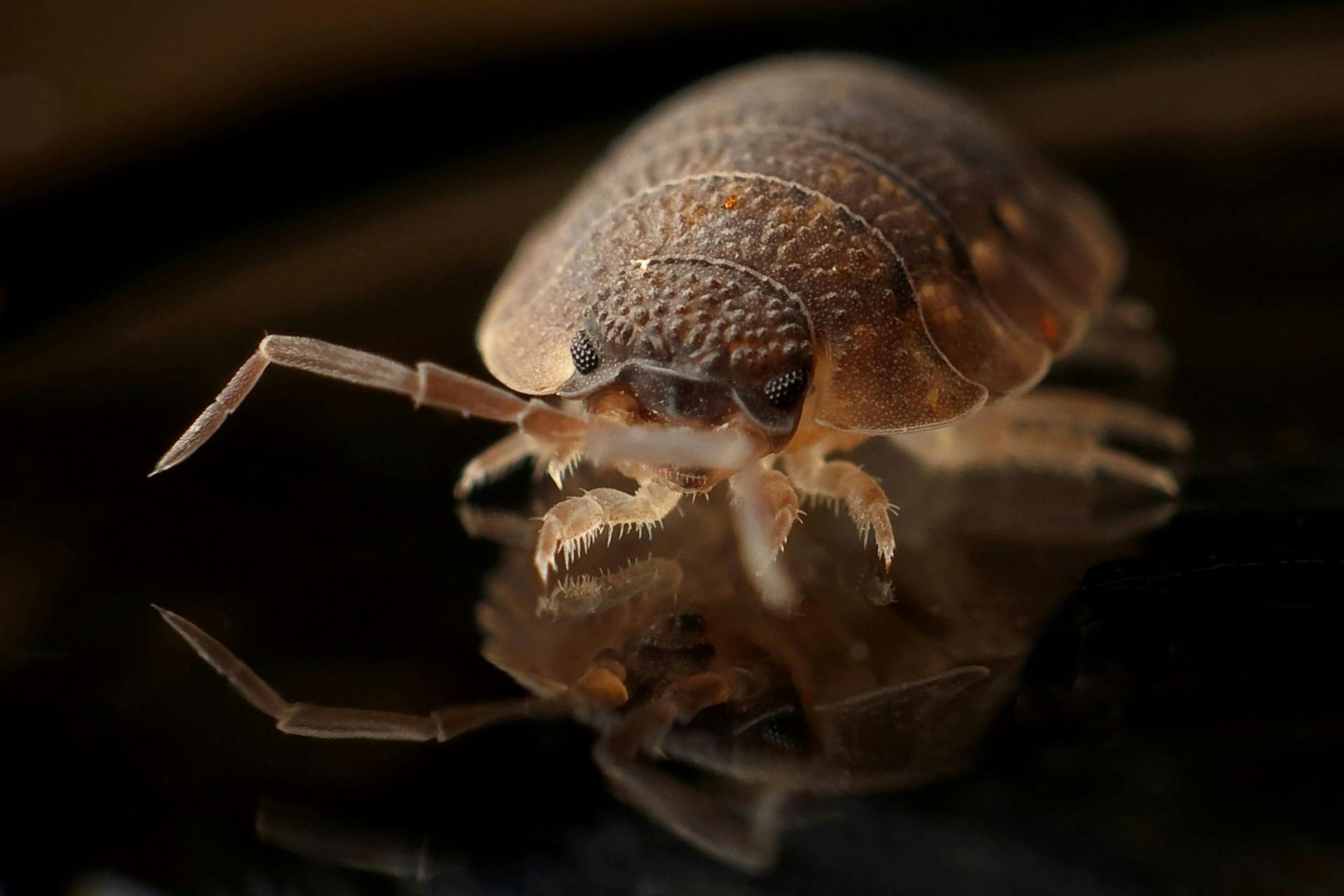
Bed bugs do not leap or fly. They travel by contact, climbing from a shared surface to you or your gear. In hotels, they stage in headboards, seams of upholstered chairs, luggage racks with worn straps, and the felt liner under box springs. They are patient. Nymphs can miss several blood meals and still survive. Adults tuck into screw holes and staple tracks. When we inspect rooms after complaints, we often find fecal spotting on the mattress tape edge or the underside of the box spring before we see a live bug. That tells you where to look and also where to keep your bag away from.
Airport seating matters less than many fear, but gate areas with fabric chairs near trash receptacles can harbor pests, especially where overnight cleaning is light. Taxis and ride-share cars occasionally transfer bed bugs through fabric seats, yet the most common transfer point remains the guest room.
Build a travel kit you will actually use
If your kit is heavy or fussy, it will live in a drawer. Aim for a quart-size pouch that stays in your carry-on. The backbone is mechanical control and heat, not chemicals alone. A resistive approach recognizes that bed bugs are less impressed by casual sprays than by physics, clean lines, and heat.
Here is a short kit that works in practice:
- Two large, heavy-duty contractor bags and two clear XL zipper bags for containment and separation. A collapsible, heat-tolerant packing cube set to stage clothing and keep clean items quarantined from worn ones. A small flashlight and credit card-sized mirror to scan seams and hardware quickly. Travel-size contact killer labeled for bed bug control, used sparingly for seams on hard luggage, plus a few alcohol wipes for hard surfaces. A handheld portable steamer rated for at least 212°F at the tip, or a compact heating pouch designed for textiles.
That is the full list most pros carry when flying for conferences or field audits. The steamer is optional if you use hotel dryers carefully, but a handheld unit gives you control when the property’s laundry room is closed or the dryer runs cold.
The arrival routine that makes the difference
The first ten minutes in a room decide whether you will bring home a hitchhiker. You do not need to wear a headlamp and crawl around. Think like a bellhop with a checklist.
Walk in and park your bag in the dry bathtub or on the bathroom tile while you scan the sleeping area. Bathrooms have slick surfaces and fewer fabric harborage points. Pull back the bed corner nearest a bright lamp. Lift the fitted sheet to expose the mattress tape edge. You are looking for four things: pepper-like fecal spots that do not smear into brown when dampened, shed skins that look like translucent hulls, live nymphs smaller than a grain of rice, and eggs cemented in clusters along seams. A 30-second check is enough in most rooms. Next, slide a hand mirror behind the headboard if it is wall-mounted, or tip a freestanding headboard an inch to peek at the screw plate. Check the luggage rack straps, particularly if they are frayed or visibly stained. If anything gives you pause, change rooms on a different floor and different side of the building. Properties rotate rooms, and moving laterally on the same floor can land you in an adjacent problem.
Now stage your gear. Set the luggage on a hard surface or a metal rack if the straps are intact and clean. Keep the suitcase closed except when you are actively removing items. Do not sprawl clothing on the bed. Assign one chair to be “clean” and one to be “dirty,” or better, use your clear zipper bags and packing cubes. Worn clothing goes straight into a sealable bag, air pressed out. That single habit, separating worn from unworn items, prevents most transfers. Bed bugs cue on carbon dioxide and body odor, and they are far more likely to investigate the pile of gym clothes than a zipped cube of clean shirts.
Heat beats theory: laundry and luggage
Heat is the most reliable field tool for travelers. Bed bugs and their eggs die at sustained temperatures above 120°F. Most hotel dryers reach that, but they vary. Use a timed, high-heat cycle for at least 30 minutes for thin fabrics, 45 to 60 minutes for heavier items like jeans or hoodies. Start the cycle hot and do not overload. If you have access to a compact heating pouch or portable unit designed for dominationextermination.com bee and wasp control textiles, stage items inside it in your room as you rotate outfits. For shoes and structured items, a portable heater with a circulating fan holds temperature more evenly than a hairdryer pointed at a sneaker.
Hard-sided luggage is easier to inspect and treat than soft duffels. You can wipe it with alcohol wipes on seams and zippers when you leave a property. Soft luggage can still work if you use packing cubes as internal barriers and vacuum seams at home. If you travel weekly, invest in a case with minimal external pockets and a smooth liner. That design change saves you time and removes hiding spots.
The five-minute room scan used by pros
- Mattress tape edge and top two corners, then box spring underside near the corners. Headboard hardware and wall contact points, quick mirror check. Luggage rack webbing, chair seams, and baseboard within two feet of the bed. Nightstand underside and drawer rails if the room looks suspicious or if you have prior bites. Curtain pleats only if other signs suggest activity.
The point is not to play detective for half an hour. A fast, targeted scan in the right places, then disciplined staging of clothing, outperforms a long, unfocused search.
What bites tell you, and what they do not
Clusters of itchy welts can suggest bed bugs, but skin reactions vary wildly. Some frequent flyers never react, others welt dramatically from a single bite. A zigzag line near the waistband or sock line after a night in a hotel is suggestive, yet not proof. Mosquito control problems around pool decks, spider control issues in ground-floor units with open windows, and even carpet beetle hairs can cause confusing skin irritation. When we investigate for Domination Extermination clients after a trip, we look for physical evidence before we draw conclusions from skin alone. If you find spots or a live bug, bag it. A photo with scale, like a coin in frame, helps an inspector confirm identity quickly.
When to use sprays, and when to hold back
Travel-size sprays labeled for bed bug control can provide contact kill on an exposed insect and short-term residual on non-porous surfaces. Their limits are clear. They will not penetrate deep into upholstery, and they can stain fabrics or trigger sensitivities. Use them on your luggage seams or a hard bed frame leg if you see a live bug while packing. Avoid dousing mattresses or chairs. Mechanical and thermal methods do the heavy lifting. If you notice multiple live insects, the right move is to change rooms and notify the front desk so they can engage professional pest control support.
For what it is worth, in-suite foggers and DIY “bombs” do not help and often drive bed bugs deeper into wall voids. In hotel settings you rarely control the whole structure, so chasing bugs disperses them. A quiet exit to a fresh room, paired with your containment routine, is more effective.
Airports, lounges, and rideshares: the real risk
Airports see high traffic, yet the dwell time on any one seat is short and the cleaning cycles are frequent. I have found a bed bug in an airport lounge exactly twice in more than a decade, and both times it was a stray nymph with no evidence of harborage. You can lower risk by avoiding slouching onto fabric chairs with a wool coat after a red-eye. Hang coats on a metal hook when possible. In rideshares, sit on synthetic, smooth seats if available, keep your backpack on your lap or on a rubber floor mat, not pressed into seat creases. The chance of acquiring bed bugs in these settings is not zero, but it pales next to the risk in guest rooms.
The hotel dryer drill that saves your suitcase
On multi-night trips, build a morning habit. Before breakfast, run the prior day’s worn clothing through a high-heat dryer cycle. Fifteen minutes to warm the drum, then 30 to 45 minutes on high with your bagged items. Return them to a clean packing cube. That routine denies any hitchhiker a ride. If the property lacks guest laundry or posts a two-hour wait, your portable heating pouch earns its keep.
Shoes can pick up hitchhikers too, especially if you left them on the floor near a headboard wall. Give them a minute with a travel steamer, seams and tongues, then set them on a hard surface. I have seen two separate cases where loafers brought home nymphs after a week in a boutique hotel with fabric headboards. Both travelers had kept shoes under the nightstand.
What pros carry, and what we skip
Inspectors doing bed bug control work out of a trunk full of tools, yet when we travel as guests we strip down to essentials. At Domination Extermination, our frequent flyers carry the small kit described earlier and a bias toward hard surfaces. We skip complicated encasements on the road because they are not practical. We do not lay our own sheets on hotel beds, which creates more handling and surfaces to cross-contaminate. We do, however, bring a pillowcase or cotton towel we can launder on high heat daily if we stay longer than three nights. That is a comfort choice that dovetails with hygiene, not a control measure by itself.
When a room fails the sniff test
Sometimes you spot spotting, shed skins, or a live adult while scanning. If that happens, take a photo, zip your bag closed, and step out. Ask for a different room on a different floor. Do not debate the front desk about diagnoses, and do not broadcast a scene. Professional staff will route the room to pest control. If you must remain in the property due to a full city, double down on your containment. Use the bathroom as your staging area, keep clothing bagged, and plan to heat-treat all items when you reach your next stop.
Domination Extermination has handled post-trip cleanups where travelers stayed put in a suspect room, then tossed clothes loosely into a soft duffel at midnight. That is how infestations seed in a single flight. The fix at home took two service visits, monitoring devices, and a few weeks of anxiety that were avoidable with a two-minute pivot at the hotel.
The homecoming protocol that closes the loop
Your flight lands, you Uber home, and the temptation is to drop the suitcase by the couch. Do not. Park luggage in a garage, mudroom, or laundry area on a hard floor. Unpack into the washer or directly into the dryer on high heat. Wipe hard-sided luggage seams with alcohol wipes or a cloth dampened with soapy water. Vacuum soft luggage seams with a crevice tool, then store the bag in a contractor bag for 24 to 48 hours if you want an extra margin. If you have a portable heating unit designed for luggage, use it now. The goal is simple, remove any stowaways before the suitcase crosses your bedroom threshold.
If you travel weekly, consider a dedicated travel wardrobe that tolerates high-heat cycles without shrinking. Natural fibers handle heat well if preshrunk. Technical knits vary. The fewer “hang dry only” pieces you carry, the simpler your routine.
Edge cases: multi-stop itineraries, vacation rentals, and group travel
Multi-city trips complicate the routine because you accumulate worn items between properties. This is where the clear zipper bags and packing cubes shine. Keep a “treated” cube and an “untreated” cube, and avoid cross-mixing. When you reach a property with a reliable dryer, rotate everything through. In vacation rentals, where beds may have decorative throws and upholstered frames, expand your scan to those textiles. Bag throws or stash them in a closet if they are decorative only. Group travel raises exposure because luggage nests together in buses and bell closets. In those cases, hard-sided luggage pays off, and a quick wipe of handles and zippers after baggage services handle your bag is worth the minute.
Lessons from field callbacks
In the small set of cases where travelers brought bed bugs home despite basic care, patterns repeat. They unpacked on a bed or a carpeted floor. They left worn clothing loose on an upholstered chair. They used soft duffels with many external pockets, never treated by heat. Conversely, the travelers who never had an issue followed the same simple steps each time: quick scan, hard-surface staging, bag separation for worn items, heat on return.
One Domination Extermination client flies cross-country weekly. He switched to a hardshell carry-on with a smooth liner, added two zipper bags to separate gym gear, and started a dryer run the minute he got home, before greeting his dog. Zero incidents in two years after an early scare that took three visits to clear.
Where bed bug control intersects other pest risks
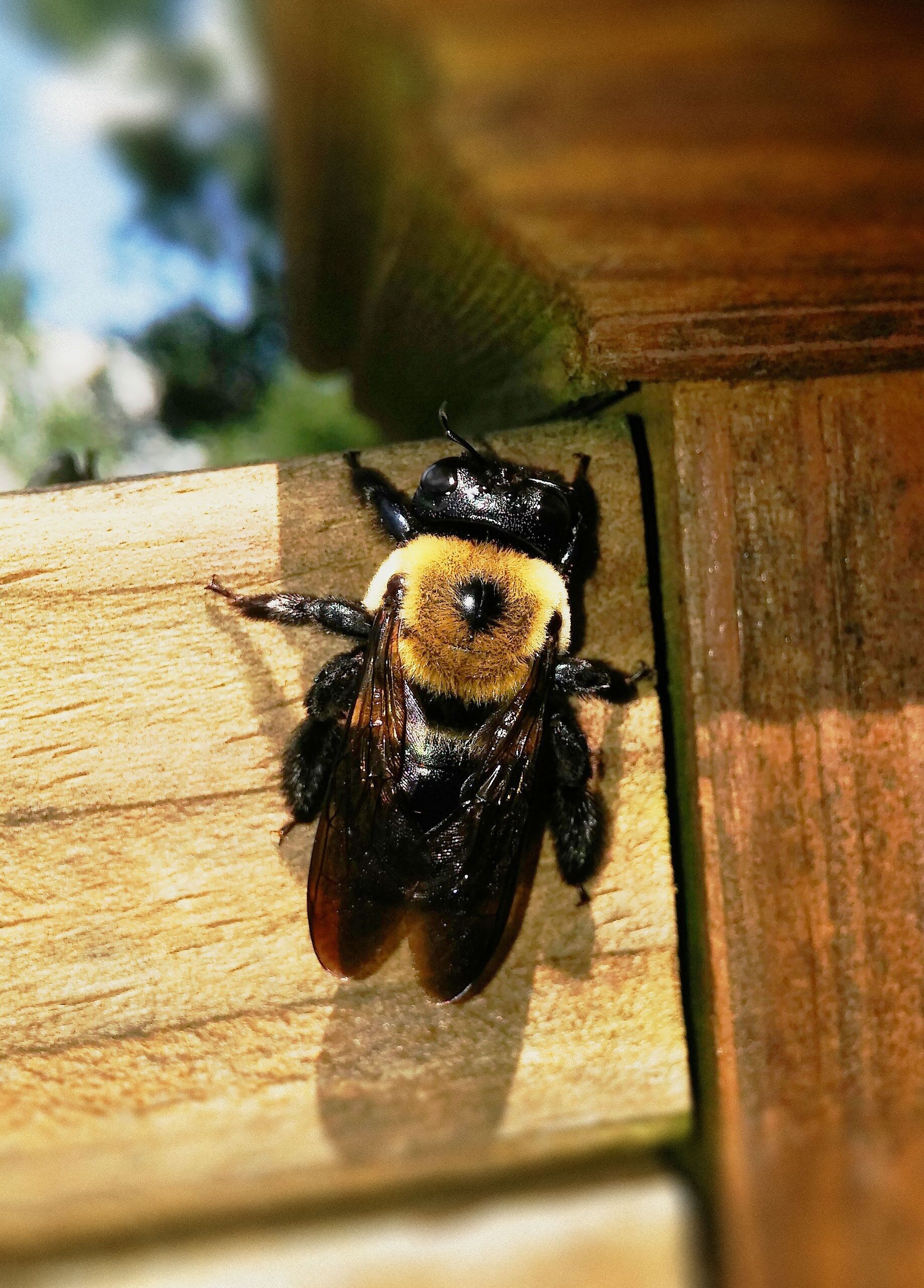
Travel often exposes you to more than bed bugs. Outdoor dining and poolside evenings bring mosquito control questions, particularly in tropical destinations. Keep repellent handy, but do not spray fabrics in ways that could invite bed bugs to avoid a treated surface and find your unprotected pile of clothes. Rodent control and ant control concerns pop up in ground-floor vacation rentals with kitchenettes. Store dry goods in sealed containers, wipe counters, and take trash out nightly. Bee and wasp control rarely intersects with linens, yet balcony breakfasts near planters deserve a glance before you sit, especially in late summer. Spider control is usually about web removal and keeping shoes off floors, which dovetails with the bed bug habit of staging footwear on hard surfaces.
Back home, routine house maintenance matters. Termite control, carpenter bees control, and cricket control have nothing to do with travel kits, but they shape how comfortable you are staging luggage in a garage or utility room. A dry, sealed garage with clean baseboards and minimal clutter gives you a safe landing zone to unpack. If you are forced to unpack in a carpeted bedroom because the basement smells musty or attracts crickets, your bed bug risk rises. Good structure maintenance supports good travel hygiene.
When to bring in a professional
If you spot a live bed bug at home, or you keep waking with bites after a trip and you find dark spotting on sheets, call a licensed provider early. Inspections with monitors and targeted treatments work best before bugs disperse widely. Heat treatments can clear an active apartment quickly when prep is tight, but they require professional equipment and planning. Chemical programs with modern residuals paired with encasements and interceptors are effective when applied systematically.
Frequent flyers benefit from a standing relationship with a provider who understands travel patterns. We have clients who send a quick text with a photo from a hotel room. A simple “yes, that is a bed bug” or “no, that is a carpet beetle larva” saves hours of worry and uninformed decisions. At Domination Extermination, we favor pragmatic advice first: change rooms, bag your laundry, and keep moving. Then, if needed, we schedule a post-trip inspection with passive monitors that you can set under bed legs for the first two weeks back.
Domination Extermination field routine for road warriors
- Before departure, pack the kit pouch and preshrink or test fabrics for high-heat tolerance. On arrival, bathroom staging, 90-second scan of the right zones, and clear separation of worn vs. clean items. Mid-trip, run the dryer drill or use a portable heating pouch, and keep the suitcase closed. On departure, wipe luggage seams, bag worn items, and avoid tossing clothing on soft chairs during last-minute packing. At home, hard-surface unpacking, immediate heat cycle, wipe or vacuum luggage, and optional 48-hour bag quarantine.
That five-step pattern is short enough to memorize and strong enough to stand up to hundreds of hotel nights a year.
What hotels get right, and how to read the room
Large brands train staff to spot telltale signs during housekeeping. Many partner with pest control providers for proactive inspections and quick response. Still, even the best properties have events. The things you can read at a glance matter. Fresh encasements that fit snugly, luggage racks in good repair, and tight baseboards signal attention to detail. Frayed straps, stained dust ruffles that trail on the floor, or heavy fabric headboards in humid climates earn a closer look. None of these is definitive, but patterns add up.
I have walked into luxury suites with immaculate edges and a single nymph tucked under a decorative pillow. I have also seen budget motels with vinyl headboards and zero issues because the housekeeping team moved fast on the last report. Your routine levels the field regardless of star rating.
A note on kids, pets, and special gear
Traveling with children adds soft items, from stuffed animals to blankets, that rarely tolerate high heat. Rotate them through a portable heating pouch if possible, or limit how many cross the bed surface. Stash them in clear bags when not in use. Car seats and strollers pose inspection challenges. Keep them away from beds, park them on tile, and give fabric seams a quick pass with a travel steamer before loading for the airport. For service animals, bring a washable mat and launder it on high heat daily. That way their bedding does not become a bridge.
How to recover fast after a scare
If you think a room had bed bugs and you already slept there, your goal is to break the chain. Morning after, strip your clothing into a sealable bag, shower, and change into a fresh set that has stayed zipped in a cube. Move to a different room or property. Run the bagged clothing through a hot dryer. Wipe luggage seams, and keep shoes on a hard surface. When you get home, follow the homecoming protocol and consider using interceptors under bed legs for two weeks. They are simple cups that trap climbing insects and give you clear feedback. This calm, stepwise response works better than tossing everything into a panic wash that shrinks half your wardrobe.
Why this routine endures
Trends come and go, but the physics of heat and the behavior of bed bugs do not. A small pouch you can pack blind, a practiced scan of the bed and headboard, the habit of separating worn clothing, and a home landing zone you can keep clean, those four pillars carry seasoned travelers through busy seasons without drama. They also reduce stress. There is comfort in ritual when you arrive late, jet-lagged, and hungry.
Professionals notice that the travelers who follow this approach also make steady choices in other risk areas. They keep shoes off hotel carpets overnight, a habit that prevents spiders from finding a toe as well as keeping hitchhikers off leather. They close food containers in rentals, a nod to ant control and rodent control that keeps crumbs from drawing a parade across the counter. Good habits in one domain support another.
If you need backup, reach out to a qualified provider. Teams like Domination Extermination can coach you on kit selection, validate hotel finds by photo before you uproot a schedule, and, if the worst happens, execute a fast, discreet treatment at home. The point is not to live in fear, it is to travel light, travel often, and keep your living space your own.
Domination Extermination
10 Westwood Dr, Mantua Township, NJ 08051
(856) 633-0304